

Blaine City Council recently approved a proposal that will give developers the option to have reduced downtown residential parking requirements in exchange for paying the city a fee for transportation improvements in the central business district.
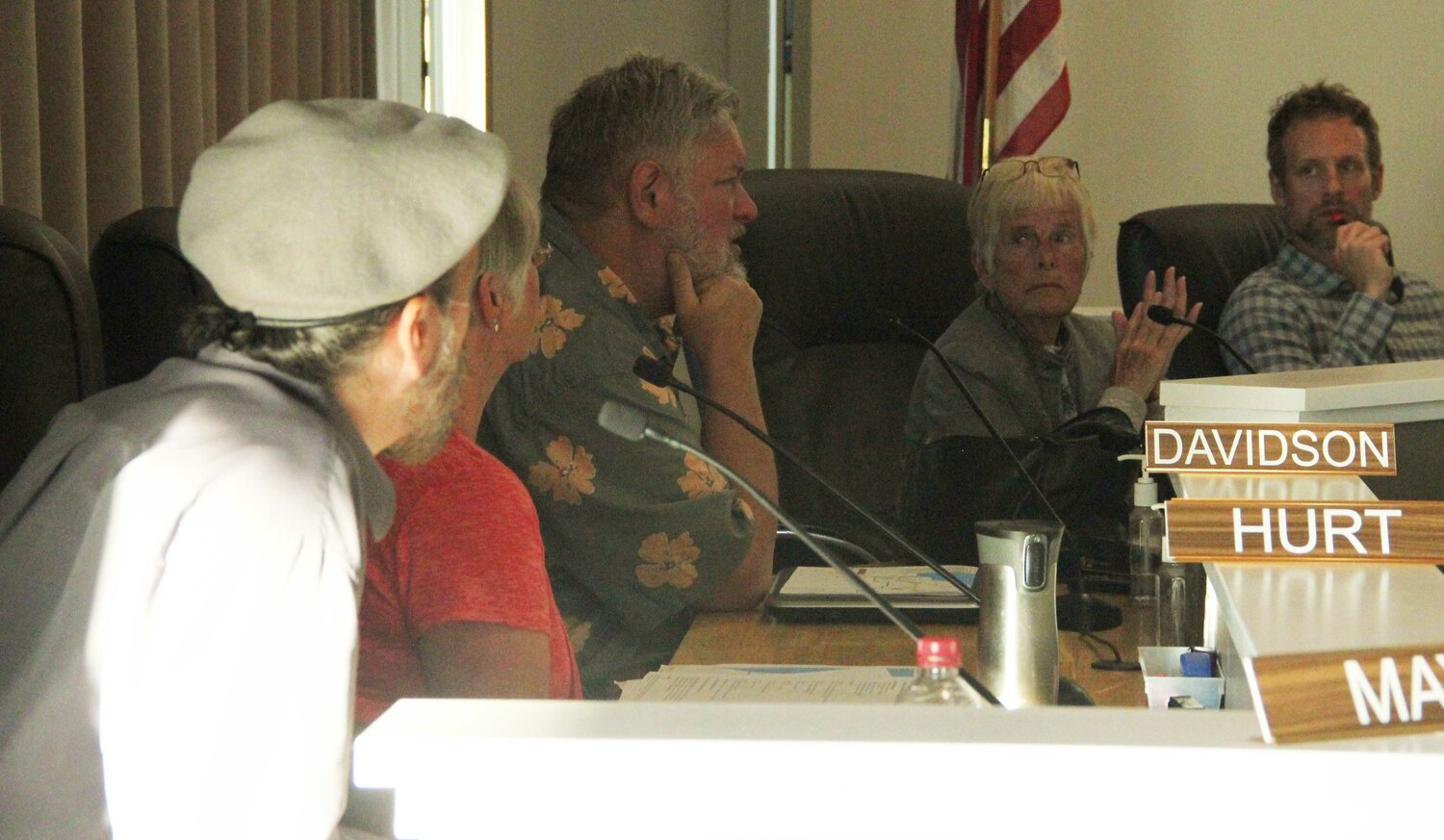
City council voted 5-2 on the parking text amendment during its June 10 meeting, with councilmembers Richard May and Sonia Hurt in opposition. Council then unanimously approved a one-time fee of $8,500 per parking stall that developers who opt for minimum residential parking will pay. The fee would likely fund for new striping, city staff said, and council has the option to adjust the fee annually.
“It’s my opinion that we won’t see a huge boom in development based off of this code change,” said Alex Wenger, the city’s Community Development Services director. “These are going to trickle in.”
City staff has spent the past two years working on reducing residential parking requirements and increasing building heights for developers, who told city staff the city’s zoning code was making it difficult to receive a return on investment, especially on the west end of Peace Portal Drive. The city formed an ad hoc downtown advisory committee that met for the first half of 2023 before making a recommendation on building height and parking regulations to Blaine Planning Commission.
Planning commission paused its review of the building height proposal as it mulled through its parking recommendation to city council. Commission ultimately recommended allowing parking relief for downtown developers but nixed a section in the proposal asking for 50 percent more parking relief for developers on the west side of Peace Portal Drive in the downtown core.
Wenger said during the meeting that he still believed developers on the west side of Peace Portal Drive needed more assistance from the city because of development challenges in that area.
The parking minimum will allow developers to reduce residential parking to .5 stalls for a studio, .75 stalls for a one-bedroom unit, one stall for two- and three-bedroom units, and .5 additional stalls for each bedroom over a three-bedroom unit.
The parking text amendment sunsets parking reductions when about 120 parking stalls were transferred from private property into the public right-of-way. The first batch of stalls will be less expensive than the last batch transferred into the public right-of-way to incentivize early development in downtown development.
Councilmember Kerena Higgins asked Wenger if he had data on how much development has increased in other cities, such as Sedro-Woolley or Anacortes, which have implemented similar parking minimums. Wenger replied he’d heard anecdotally that cities have found it successful, but didn’t have quantitative data.
Some councilmembers said they were hesitant that the $8,500 fee was an arbitrary amount. Councilmember Eric Davidson said he wanted to see the fee tied to inflation and Higgins offered council review the fee later this year.
Wenger told council some developers appeared interested in development if the residential parking minimum was lowered, adding that others wanted more change.
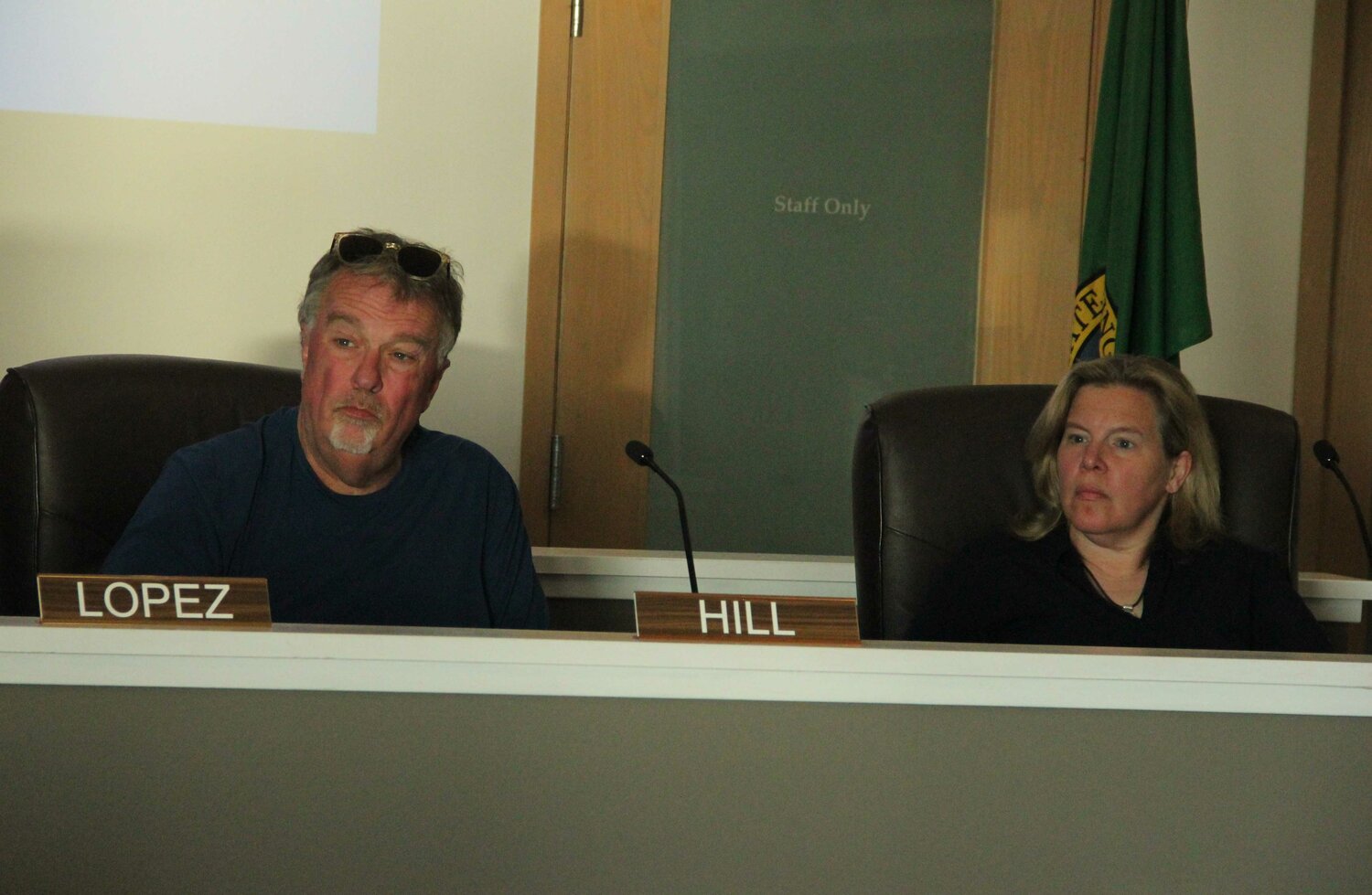
Councilmember Mike Hill, who has worked for decades in downtown Blaine, said he didn’t believe the city had a parking problem because the city is much less busy than it used to be.
Hurt said some older residents don’t want growth as much as they want a small city where they can easily find parking, while councilmember Rhyan Lopez said he wanted to help younger adults find affordable housing in Blaine.
Mayor Mary Lou Steward told council it could reverse its decision, while May said council could vote on the proposal if it wanted to in the future.
Davidson said before the vote that he saw the parking change as a step toward further downtown development.
“There’s a number of things we need to do incrementally,” Davidson said. “I want to give a lot of little carrots to developers.”